
Free Gaming Platform in Australia: A Different Priority
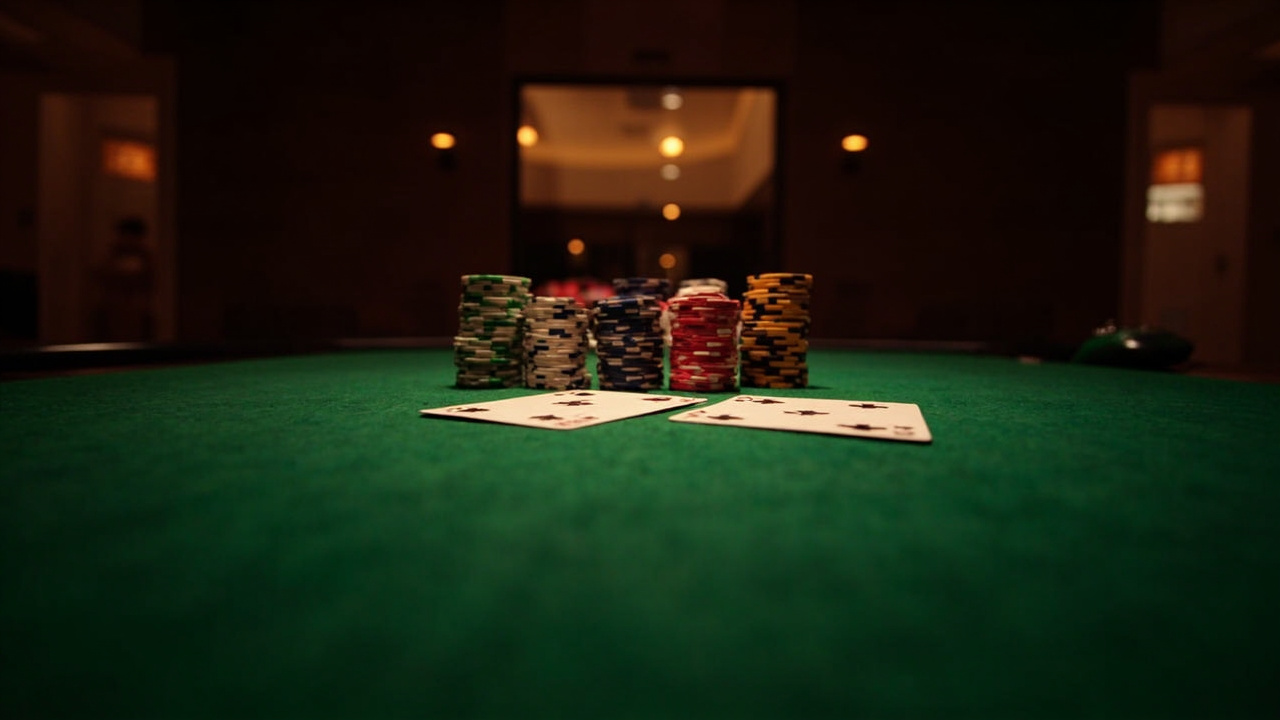
Free gaming platform in Australia is built around a quieter idea: practice without the pressure to spend, and spend less time second-guessing your own habits. Most locals treat these as a warm-up before any real-dollar session, and that mindset matters more than the flashy lobby graphics. You can play wanted dead wild demo free without handing over a cent, which suits anyone who wants to learn a mechanic before committing. The whole setup leans on repetition, clear feedback, and a pace you control, which is a far cry from the old school approach of betting first and asking questions later.
I’ve spent years coaching support teams through the same kind of structure: start with a safe environment, measure what actually breaks, then tighten the loop. A good free gaming platform in Australia works the same way. You get a browser path that loads without fuss, a layout that doesn’t fight your thumb on a commute, and a way to track your own sessions without the noise of constant pop-ups. It’s not about chasing a big win; it’s about building a repeatable routine. When I compare that to the usual rush of a busy venue floor, the difference is obvious. You’re meant to slow down, read the paytable, and see whether the volatility matches your temper before you ever touch real credit.
The mobile side is where the whole thing either earns its keep or falls apart. A proper free gaming platform in Australia should fit a phone screen without on our web page making you pinch and zoom through menus, and navigation needs to stay readable in bright daylight or a dim arvo. Performance matters more than people admit: a stuttering load on a crowded train line is enough to make you abandon a session before you’ve even learned the rhythm. The better builds keep the core controls close, the balance visible, and the help options within a tap, so you’re not hunting for a support line when something looks off.
A mate of mine and I were chatting over flat whites at a Cairns café last week, and he summed it up neatly.“I reckon the whole point is just getting comfortable,” he said, stirring his cup.“If I can sit on the couch for twenty minutes and learn the spin pattern without burning a hole in my pocket, I’m ahead.” I nodded, because that’s exactly the kind of conversation I encourage in training rooms too. You don’t need a glossy promise to make progress; you need a clear loop, honest feedback, and enough space to notice when you’re getting busy as a bee with your own habits.
When you’re weighing up a free gaming platform in Australia, the practical bits are what separate a usable session from a frustrating one. Here’s what I’d look for before settling in:
- A browser route that opens without forcing a separate app download
- Menu labels that stay legible on a small screen and don’t hide behind layers
- Load times that stay steady on ordinary mobile data, not just fast Wi-Fi
- A balance display that updates without lag when you switch titles
- A help or contact point that’s actually reachable, not buried under promotions
Those details sound small, but they compound. A layout that respects your time lets you focus on the actual mechanics instead of wrestling with the interface.
There’s a broader lesson here that applies well beyond a casual screen. I’ve seen support teams improve fastest when they stop treating every issue as a crisis and start treating it as a pattern to map. The same goes for free play: you’re not trying to outsmart the screen, you’re learning the shape of the game and your own reactions to it. Some Australian venues have even trialled facial recognition technology to enforce self-exclusion, which tells you how seriously the industry is starting to treat behaviour and boundaries. That kind of thinking belongs in your own routine too, even if you’re only spinning for fun.
The scale of the industry can make the whole thing feel heavier than it is. Casino construction can cost billions; Marina Bay Sands cost roughly US$5.5 billion to build, and that kind of figure is a long way from a quiet phone session on your lunch break. Entertainment has branched in all directions too – “Ocean’s 8” spun the series off with an all-female crew, and that same impulse shows up in gaming when titles try to offer a different flavour instead of just another copy. A free gaming platform in Australia that respects that variety tends to feel more honest, because it isn’t pretending one style fits every mood.
If you want to keep things grounded, it helps to read up on how bonus mechanics work before you attach any meaning to them. A short piece on using free spins thoughtfully can sharpen that instinct, because it’s less about chasing a symbol and more about understanding what a bonus actually changes in the session. The better free gaming platform in Australia setups keep that distinction clear, so you know what’s a demo, what’s a mechanic, and what’s just noise.
What I’ve found works best is treating the whole thing like a training loop instead of a destination. You pick a title, watch how it behaves over a handful of rounds, and decide whether it suits the way you like to play. That’s the same judgement call I make when coaching a team through a tricky customer call: don’t rush the diagnosis, don’t invent a shortcut, and don’t pretend one approach fits every situation. A free gaming platform in Australia that supports that kind of patience is worth your time, and the ones that don’t usually show it quickly enough.
So if you’re after something that fits a Cairns weekend or a quiet arvo without demanding a credit card first, look for the platform that keeps the experience readable, the controls close, and the feedback honest. That’s the real value here: a space where you can practise, notice your own habits, and walk away with a clearer sense of what you actually enjoy. No pressure, no grand promises, just a sensible way to spend a bit of time before you decide what’s worth more of it.